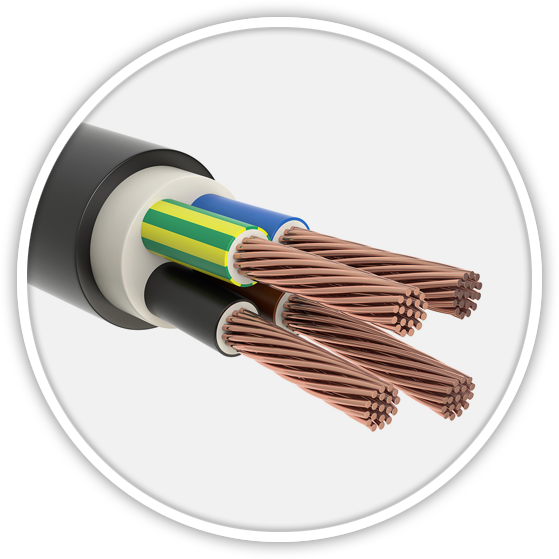
When it comes to electrical and industrial applications, copper remains one of the most trusted conductor materials. Its excellent conductivity, flexibility, durability, and ability to handle demanding operating conditions make it suitable for everything from control panels and power systems to automotive equipment and industrial machinery.
However, not every copper conductor is designed for the same purpose. Copper wire cables, braided copper wire, and tinned copper wire each offer different characteristics that can make one option more suitable than another. Understanding these differences can help engineers, electrical contractors, equipment manufacturers, and procurement teams select the right conductor for their specific requirements.
Why Copper Continues to Be a Preferred Conductor
Copper has been used in electrical systems for generations, but its importance has not diminished. Modern electrical and industrial equipment often demands conductors that can provide reliable performance while occupying less space and accommodating increasingly complex designs.
- High electrical conductivity
- Good thermal conductivity
- Excellent flexibility
- Reliable mechanical performance
- Good resistance to fatigue
- Ease of termination and joining
- Long service life when properly selected and installed
The important consideration is not simply whether to use copper, but which type of copper conductor best fits the application.
What Are Copper Wire Cables?
Copper wire cables are among the most commonly used electrical conductors. They consist of one or more copper wires, either solid or stranded, that are generally protected with insulation or an external covering depending on the application.
Stranded copper cables are particularly useful where some degree of flexibility is required. Multiple fine copper strands can move more easily than a single solid conductor, making them suitable for equipment that experiences movement or vibration.
Common Applications of Copper Wire Cables
- Electrical power distribution
- Control panels
- Industrial machinery
- Building wiring
- Automotive systems
- Communication and control equipment
- Renewable energy installations
- Electrical equipment and assemblies
What Makes Copper Wire Cables Useful?
The biggest advantage is their combination of conductivity and practicality. Copper can carry electrical current efficiently while allowing cable manufacturers to produce conductors in different sizes, configurations, and constructions.
The correct cable, however, depends on factors such as current requirements, operating temperature, installation environment, mechanical stress, insulation requirements, and available space.
Understanding Braided Copper Wire
Some applications require more than straightforward current conduction. They may also need a conductor that can accommodate repeated movement, vibration, or changes in position. This is where braided copper wire can be particularly useful.
Braided copper wire is made by interweaving multiple copper strands into a flexible braid. The resulting structure provides a combination of electrical conductivity and mechanical flexibility.
Unlike a conventional round cable, a copper braid can conform to different shapes and accommodate movement without requiring the same amount of rigid bending.
Where Is Braided Copper Wire Used?
- Electrical grounding
- Flexible bonding connections
- Switchgear
- Transformers
- Electrical panels
- Industrial machinery
- Battery and power connections
- Earthing systems
- High-current flexible connections
One of the biggest benefits of a copper braid is its ability to maintain an electrical connection while allowing mechanical movement.
For example, equipment may vibrate during operation or two conductive components may move slightly relative to each other. A rigid conductor could experience stress over time, whereas a properly designed braided connection can provide greater flexibility.
What Is Tinned Copper Wire?
Tinned copper wire is copper wire coated with a thin layer of tin. The purpose of tinning is not to improve copper’s basic electrical conductivity. Instead, the tin coating can provide useful protection and improve the conductor’s suitability for certain environments and termination methods.
Copper can oxidise when exposed to environmental conditions. A tin coating helps protect the copper surface and can be particularly valuable in applications where moisture, humidity, or corrosive conditions are concerns.
Common Applications of Tinned Copper Wire
- Marine electrical systems
- Automotive wiring
- Battery connections
- Outdoor electrical equipment
- Control systems
- Industrial equipment
- Renewable energy systems
- Electrical assemblies exposed to demanding environments
Why Choose Tinned Copper?
The main reason is environmental protection. If an electrical conductor is going to operate in a humid, damp, salty, or otherwise challenging environment, protecting the copper surface can become an important part of conductor selection.
Tinning can also make certain connections easier to maintain because the tin-coated surface provides a different interface for termination compared with bare copper.
Copper Wire Cables vs Braided Copper Wire vs Tinned Copper Wire
| Feature | Copper Wire Cables | Braided Copper Wire | Tinned Copper Wire |
| Primary purpose | Electrical conduction | Flexible electrical/bonding connection | Electrical conduction with added surface protection |
| Construction | Solid or stranded | Interwoven copper strands | Copper with tin coating |
| Flexibility | Depends on construction | Generally very high | Depends on cable construction |
| Suitable for movement | Depends on cable type | Excellent for many flexible connections | Depends on construction |
| Environmental protection | Depends on insulation/jacket | Depends on finish and construction | Improved surface protection |
| Common applications | Power and control wiring | Grounding, bonding, flexible links | Marine, automotive, outdoor and industrial systems |
How to Select the Right Copper Conductor
Choosing a conductor involves more than comparing product names. A few practical questions can make the selection process much easier.
1. How much current will the conductor carry?
The conductor’s cross-sectional area must be appropriate for the expected current and installation conditions. An undersized conductor can generate excessive heat, while unnecessarily oversized conductors can increase cost, weight, and installation complexity.
2. Will the conductor move?
If the conductor will experience frequent movement, vibration, or repeated bending, flexibility becomes an important consideration. A braided copper wire solution may be more appropriate for flexible bonding or connections than a conventional rigid conductor.
3. What is the operating environment?
Consider whether the conductor will be exposed to moisture, humidity, salt, chemicals, dust, heat, outdoor conditions, or mechanical vibration. For environments where surface corrosion could become a concern, tinned copper wire may provide an advantage.
4. What type of termination is required?
The conductor must work with the terminals, lugs, connectors, clamps, or other connection methods used in the equipment. This is particularly important in industrial assemblies, where installation reliability can be just as important as the conductor itself.
5. How much space is available?
Modern equipment is becoming increasingly compact. Conductor construction and flexibility can influence routing, bending radius, and installation space.
The Importance of Copper Purity and Manufacturing Quality
Regardless of the conductor type selected, manufacturing quality matters. Electrical performance depends on factors such as copper quality, conductor construction, dimensional consistency, surface condition, and manufacturing controls.
For industrial applications, buyers should look beyond the basic product description and consider whether the manufacturer can provide the required specifications, dimensions, construction details, and quality documentation.
This becomes especially important when conductors are being integrated into equipment that needs consistent performance across multiple production batches.
Where These Copper Products Fit Into Modern Electrical Systems
The use of copper conductors extends across almost every part of modern electrical infrastructure. In industrial equipment, copper cables can provide power and control connections. Braided copper connections can accommodate movement between components or provide grounding and bonding paths. Tinned copper conductors can be useful where environmental exposure creates additional concerns.
The three products can even appear within the same system. For example, an industrial electrical assembly could use conventional copper cables for fixed power connections, braided copper for flexible bonding, and tinned copper conductors in areas exposed to moisture or corrosive conditions.
This is why conductor selection should be based on the specific function and environment of each connection.
Why Working With the Right Manufacturer Matters
Selecting the correct copper conductor is only part of the process. Consistent manufacturing quality, dimensional accuracy, material quality, and product support can have a direct impact on the reliability of the finished electrical assembly.
A capable manufacturer can help customers evaluate factors such as conductor construction, flexibility, dimensions, surface finish, current requirements, and application conditions.
For businesses sourcing copper wire cables, braided copper wire, or tinned copper wire, working with an experienced manufacturer can also make it easier to specify the product according to the actual application rather than relying on a generic catalogue specification.
Final Thoughts
Copper remains a dependable choice for electrical conduction, but the form in which copper is used can make a significant difference.
Copper wire cables are versatile solutions for power, control, and electrical connections. Braided copper wire provides additional flexibility for bonding, grounding, and applications involving movement or vibration. Tinned copper wire adds a protective tin surface that can be valuable in humid, marine, outdoor, and other demanding environments.
The best conductor is ultimately the one that matches the electrical, mechanical, and environmental requirements of the application.
If you are evaluating copper conductors for an industrial, electrical, automotive, or specialised application, choosing the right construction at the beginning can help improve reliability, simplify installation, and support long-term performance.
Rajasthan Electric can be positioned as a reliable source for copper conductor solutions, helping customers identify the appropriate copper wire and cable construction for their specific requirements.