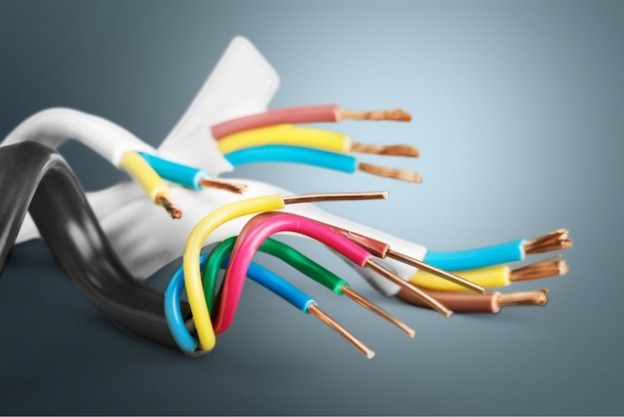
From residential wiring and industrial machinery to communication networks and modern infrastructure, one component remains at the heart of reliable electrical connectivity: PVC Copper Wire. Designed to combine the excellent conductivity of copper with the protective properties of PVC insulation, these wires have become an essential part of modern electrical installations.
Its superior conductivity, flexibility, and durability have made PVC copper wire the preferred choice for electricians, contractors, and industries worldwide. Alongside specialized solutions such as Copper Strip, PVC Wire, Stranded Wire, and Tin Copper Wire, these products continue to support the growing demand for safe and efficient electrical systems.
Why PVC Copper Wire Is the Preferred Choice for Electrical Applications
Electrical installations require wiring solutions that offer both performance and safety. PVC copper wire delivers the perfect combination of conductivity, insulation, and durability, making it suitable for a wide range of applications.
Superior Electrical Conductivity
Copper is one of the best conductors of electricity, allowing current to flow efficiently with minimal resistance. This reduces energy losses and improves the overall performance of electrical systems.
Excellent Insulation Protection
The PVC coating provides strong insulation, protecting the conductor from moisture, dust, chemicals, and accidental contact. This significantly enhances electrical safety and prolongs the lifespan of the wire.
High Flexibility
PVC copper wires are easy to bend and install, making them ideal for complex wiring systems in residential, commercial, and industrial environments.
Long-Term Durability
PVC insulation offers excellent resistance to abrasion, heat, and environmental factors, ensuring reliable performance even in demanding conditions.
The Growing Demand for PVC Wire
As construction and industrial development continue to accelerate, the demand for PVC Wire has increased significantly. These wires are widely used because they provide a safe, cost-effective, and durable solution for electrical installations.
Residential Applications
PVC wires are extensively used in:
- Home electrical wiring
- Lighting systems
- Power sockets and switches
- Household appliances
- Air conditioning installations
Their excellent insulation and safety features make them a preferred option for modern homes.
Commercial and Industrial Applications
Commercial buildings and industries rely on PVC wires to power:
- Manufacturing equipment
- Office infrastructure
- Electrical control panels
- HVAC systems
- Automation equipment
Their ability to withstand varying environmental conditions makes them ideal for large-scale installations.
Infrastructure and Construction Projects
PVC wires are extensively used in infrastructure projects, including:
- Airports
- Shopping malls
- Hospitals
- Educational institutions
- Transportation systems
The versatility and reliability of PVC wires make them indispensable in modern construction.
Understanding Copper Strip and Its Applications
Another important electrical component that has gained significant importance is the Copper Strip.
Copper strips are flat pieces of high-conductivity copper that are widely used in electrical and industrial applications requiring efficient current distribution and grounding.
Benefits of Copper Strip
Exceptional Conductivity
Copper strips provide excellent electrical conductivity, enabling efficient power transmission with minimal energy loss.
Superior Heat Dissipation
Their flat structure allows for better heat distribution, making them suitable for high-current applications.
High Corrosion Resistance
Copper naturally resists corrosion, ensuring long-term reliability and low maintenance.
Common Applications
Copper strips are widely used in:
- Electrical switchgear
- Power distribution systems
- Earthing and grounding systems
- Busbar manufacturing
- Transformer applications
- Renewable energy installations
- Electrical panels and control systems
Their efficiency and durability have made them an essential component in modern electrical infrastructure.
Why Stranded Wire Is Becoming Increasingly Popular
Another highly versatile electrical conductor is Stranded Wire.
Unlike solid conductors, stranded wires consist of multiple thin strands of copper twisted together to form a single conductor. This design significantly improves flexibility and mechanical strength.
Advantages of Stranded Wire
Greater Flexibility
The multiple-strand construction allows the wire to bend easily without breaking, making it ideal for applications involving movement and vibration.
Better Durability
Stranded wires are less prone to fatigue and cracking compared to solid wires, especially in dynamic environments.
Easier Installation
Their flexibility simplifies installation in tight spaces and complex wiring systems.
Major Applications
Stranded wires are commonly found in:
- Industrial machinery
- Automotive wiring
- Robotics systems
- Electrical equipment
- Power cables
- Communication systems
- Renewable energy installations
As industries increasingly demand flexible and durable wiring solutions, the popularity of stranded wire continues to grow.
Understanding the Benefits of Tin Copper Wire
One specialized form of copper conductor that is widely used in challenging environments is Tin Copper Wire.
Tin copper wire consists of copper conductors coated with a thin layer of tin. This coating provides additional protection against corrosion and oxidation.
Advantages of Tin Copper Wire
Enhanced Corrosion Resistance
The tin coating protects the conductor from moisture and chemicals, making it ideal for harsh environments.
Improved Longevity
Tin copper wire offers a longer service life, particularly in applications exposed to humidity and corrosive elements.
Superior Solderability
The tin coating simplifies soldering and improves the reliability of electrical connections.
Common Applications
Tin copper wire is widely used in:
- Marine equipment
- Solar power systems
- Automotive electronics
- Telecommunications infrastructure
- Industrial control systems
- Outdoor electrical installations
Its ability to maintain performance in challenging environments has made it an increasingly preferred choice across industries.
The Role of Copper-Based Wires in Emerging Technologies
Modern technologies continue to drive the demand for advanced electrical conductors.
Electric Vehicles (EVs)
Electric vehicles require extensive wiring systems, increasing the demand for high-performance copper conductors.
Renewable Energy Projects
Solar and wind energy systems rely heavily on copper strips, PVC wires, and tin copper wires for efficient power distribution.
Smart Infrastructure
Smart homes, data centers, and intelligent buildings require durable and reliable wiring solutions to support connected technologies.
Industrial Automation
Advanced manufacturing and automation systems depend on flexible and efficient conductors such as stranded wires and copper strips.
Choosing the Right Electrical Conductor
Selecting the right conductor depends on the specific application and operating conditions.
Consider the following factors:
- Electrical load requirements
- Installation environment
- Flexibility needs
- Moisture exposure
- Temperature conditions
- Long-term maintenance requirements
For general electrical installations, PVC copper wire provides an ideal combination of safety and performance. Applications requiring flexibility often benefit from stranded wire, while corrosive environments are better suited for tin copper wire. Copper strips remain indispensable for grounding and high-current distribution systems.
The Future of PVC Copper Wire and Advanced Conductors
As the world moves toward electrification, renewable energy, and smart infrastructure, the demand for reliable and efficient electrical conductors will continue to grow. Innovations in insulation materials and conductor technologies are expected to further improve the performance and durability of modern wiring solutions.
From homes and factories to renewable energy projects and intelligent cities, PVC copper wire, copper strips, PVC wire, stranded wire, and tin copper wire continue to form the foundation of modern electrical systems. Their efficiency, reliability, and adaptability ensure they will remain indispensable components of the connected world for years to come.