Electrical and industrial systems rely on materials that can perform consistently under different operating conditions. Some components are selected for their electrical conductivity, others for their ability to withstand heat, and some are designed to carry control signals between equipment. Choosing the right material for each job is important because a mismatch can affect performance, installation quality and maintenance requirements.
Copper foil, glass wire and control cable each serve a different purpose. Copper foil is valued for its conductivity and formability, glass wire is generally used to describe wire insulated with glass-fibre-based material for elevated-temperature applications, and control cables are designed to transmit control signals and operating power within electrical and automation systems. Understanding these differences helps engineers, contractors and procurement teams specify products more accurately.
Copper Foil: A Conductive Material for Electrical and Industrial Applications
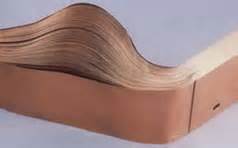
Copper foil is a thin, flat form of copper supplied in rolls or sheets. It combines the electrical and thermal conductivity associated with copper with the flexibility and formability that come from its thin profile. Depending on thickness, temper, purity and surface finish, copper foil can be used in a range of electrical, electronic and industrial applications.
In electrical and electronic assemblies, copper foil is used where a thin conductive layer is required. It is found in printed circuit board laminates, electromagnetic shielding, flexible circuits, transformers and selected battery-related components. The precise grade and construction depend on the application, manufacturing process and required electrical or mechanical properties.
Common Applications of Copper Foil
Printed circuit boards and flexible circuits: Copper wire forms the conductive layer that is patterned into circuit pathways. The foil grade, thickness and surface treatment need to be compatible with the board construction and fabrication process.
Electromagnetic interference (EMI) shielding: Copper foil can be used as part of shielding designs to help reduce electromagnetic interference. Performance depends on continuity, grounding, enclosure design, frequency and installation details.
Transformers and electrical components: Certain transformer and electrical designs use copper foil windings or conductive foil elements. The selection depends on current, voltage, insulation system, thermal performance and manufacturing requirements.
Battery and energy storage assemblies: Copper foil is used as a current collector in many lithium-ion battery designs, particularly on the anode side. The required foil characteristics depend on the cell chemistry and manufacturing specification.
What to Check When Selecting Copper Foil
• Thickness and dimensional tolerance: These influence resistance, weight, flexibility and compatibility with the manufacturing process.
• Copper grade and purity: Material composition affects conductivity and processing behaviour.
• Temper and tensile properties: The balance between softness, formability and strength matters during fabrication.
• Surface finish and treatment: Surface characteristics can affect bonding, solderability and performance in laminated assemblies.
• Application requirements: Electrical loading, thermal conditions, environment and relevant industry specifications should guide the final selection.
Copper foil should not be selected on thickness alone. The end use and manufacturing process determine which combination of material properties is appropriate.
Glass Wire: Insulation for Applications Involving Elevated Temperatures
The term glass wire is commonly used in the electrical trade to describe a conductor insulated with glass-fibre yarn, glass-fibre sleeving or a related heat-resistant insulation construction. The conductor may be copper or another specified material, while the glass-based insulation provides thermal resistance suited to applications where conventional insulation materials may not be appropriate.
Glass-fibre insulation is used in certain motors, heating equipment, industrial ovens, furnaces, lighting systems and other equipment that operates at elevated temperatures. Some products use glass-fibre braiding over a primary insulating layer, while others have a different layered construction. The actual temperature rating, voltage rating and environmental suitability must be confirmed from the manufacturer’s datasheet.
Where Is Glass Wire Used?
Industrial heating equipment: Heat-resistant glass-fibre insulated wires may be used for internal connections in ovens, furnaces and industrial heating systems, subject to the specified temperature and electrical ratings.
Motors and generators: Selected high-temperature wire constructions are used in equipment where heat exposure and space constraints influence insulation selection.
Lighting and appliances: Glass-fibre insulated leads may be found in certain luminaires, heating appliances and equipment operating at higher temperatures than standard wiring applications.
Industrial machinery: Equipment exposed to heat may require specialist wiring with insulation selected for the actual operating environment.
Important Factors When Choosing Glass Wire
Temperature rating: Check the continuous operating temperature and any short-duration temperature limits. Do not assume all glass-fibre insulated wires have the same rating.
Conductor size and material: The conductor must be suitable for the expected current, voltage drop and installation conditions.
Insulation construction: Some products combine glass-fibre braiding with silicone, mica or other insulating layers. Confirm the exact construction rather than relying on the general term glass wire.
Mechanical protection: Glass-fibre insulation may need additional protection against abrasion, moisture, chemicals or handling damage, depending on the product design.
Applicable standards and certification: Verify the relevant product standards, test reports and approvals for the intended equipment and market.
A key point for specification teams is that glass-fibre insulation is not automatically suitable for every high-temperature or harsh-environment application. The complete cable or wire construction must match the service conditions.
Control Cable: Reliable Connections for Control and Automation Systems
Control cables are used to transmit control signals and, in some designs, auxiliary power between devices in electrical installations. They connect equipment such as control panels, motors, sensors, actuators, switchgear and automation systems.
Unlike power cables that are primarily selected to deliver electrical energy to loads, control cables are often designed around the number of cores, conductor size, voltage rating, screening requirements and installation environment. They help equipment exchange commands and status information so that a system can operate as intended.
Common Applications of Control Cables
Industrial automation: Control cables connect sensors, actuators, PLC panels and machinery, supporting the signals needed for automated processes.
Power plants and substations: They are used in control, monitoring, protection and auxiliary circuits, according to the design and cable specification.
Building management systems: Control cables can connect HVAC equipment, access systems, monitoring devices and other building automation components.
Manufacturing facilities: Production lines use control cables to link machine controls, safety devices and instrumentation.
Infrastructure and utilities: Control cables support selected signalling, monitoring and control functions across utility and infrastructure installations.
Types and Construction Features of Control Cables
Control cables are available in different constructions to suit the electrical and physical demands of an installation. Common design features include the following.
Core count and conductor size: The number of cores and conductor cross-section are selected according to the circuits being connected, signal requirements and electrical loading.
Insulation and sheath: Materials such as PVC or XLPE may be used depending on voltage, temperature, flexibility and environmental requirements.
Screening or shielding: Overall or individual screening may be specified to help manage electromagnetic interference in electrically noisy environments. Correct bonding and termination of the screen are important to its effectiveness.
Armour: Some control cables include metallic armour where additional mechanical protection is required. Armour type and earthing arrangements depend on the cable design and installation rules.
Flexible or fixed installation: Cable construction should match whether the cable is installed permanently or subject to repeated movement. A standard fixed-installation control cable should not be assumed suitable for continuous flexing.
How to Select the Right Control Cable
Start by identifying the signal or control function, the number of cores required and the electrical characteristics of the connected equipment. Then assess the route and environment. Consider electromagnetic interference, temperature, moisture, chemicals, mechanical impact, bending radius and whether the cable will move during operation.
For installations with sensitive signals or nearby variable-frequency drives and power conductors, screening and routing practices may be especially important. The cable datasheet and the equipment manufacturer’s requirements should be checked together before finalising the specification.
Copper Foil vs Glass Wire vs Control Cable: Understanding the Differences
These three products are not direct substitutes. They are used in different parts of electrical and industrial systems, and their selection criteria reflect their different roles.
| Product | Primary role | Typical use | Key selection factors |
| Copper foil | Thin conductive material | PCBs, flexible circuits, shielding, selected electrical components | Thickness, grade, temper, surface finish |
| Glass wire | Wire with glass-fibre-based heat-resistant insulation | Heating equipment, motors, appliances and hot zones | Temperature rating, conductor size, insulation construction |
| Control cable | Control, monitoring and signal transmission | Automation, panels, substations and machinery | Core count, voltage, screening, sheath and installation conditions |
Copper foil is a thin conductive material, glass wire is a wire or lead with a heat-resistant glass-fibre-based insulation construction, and control cable is a multi-core cable product intended for control and signalling circuits. Their common link is their role in supporting the performance of electrical equipment, but each solves a different engineering requirement.
Practical Considerations Before Ordering Electrical Materials
A clear technical specification helps reduce errors during procurement, installation and commissioning. Before ordering, confirm the following details with the design team and supplier.
1. Define the application: Identify whether the requirement is for a conductive foil, a heat-resistant insulated lead or a cable for control and signalling circuits.
2. Confirm electrical ratings: Check current, voltage, resistance, insulation rating and any relevant fault or transient conditions.
3. Assess the environment: Record ambient and operating temperatures, moisture, chemicals, vibration, abrasion and exposure to electromagnetic interference.
4. Review dimensions and construction: Confirm foil thickness and temper, wire conductor size and insulation build, or control cable core count, screening and sheath construction.
5. Verify standards and documentation: Request the current datasheet, applicable standards, test certificates and product approvals relevant to the project.
6. Plan installation and termination: Confirm bending radius, support, routing, connector compatibility, screen termination and any additional protection required.
Why Correct Product Selection Matters
Electrical material problems can arise when products are chosen by name or appearance without checking their technical construction. Copper foil with an unsuitable thickness or surface finish may not meet the manufacturing requirement. A glass-fibre insulated wire with an inadequate temperature rating may deteriorate in service. A control cable without suitable screening or mechanical protection may not perform reliably in its installation environment.
Reviewing the application and the product datasheet before purchase helps ensure that the material is appropriate for the equipment and conditions in which it will be used. It also gives engineering, procurement and installation teams a common basis for checking compatibility.
Conclusion
Copper foil, glass wire and control cable each play a distinct role in electrical and industrial applications. Copper foil provides a thin conductive material for electronic, shielding and selected electrical assemblies. Glass-fibre insulated wire is used where the specified insulation construction can withstand elevated operating temperatures. Control cables connect devices and systems through control, monitoring and signalling circuits.
The right product depends on the intended application, electrical ratings, operating environment, construction details and applicable standards. Rather than relying on a generic product name, engineers and procurement teams should compare verified technical specifications and confirm that the selected material is designed for the actual conditions of use.
When planning an electrical or industrial project, consult the product datasheet and a qualified supplier to identify the appropriate copper foil, glass-insulated wire or control cable for the installation.
4. Keyword Placement Strategy
| Target keyword | Recommended placement |
| Copper Foil | H1, introduction, dedicated H2, applications and conclusion |
| Glass Wire | H1, introduction, dedicated H2, applications and selection factors |
| Control Cable | H1, introduction, dedicated H2, applications and selection guide |
Supporting Keywords
Copper foil applications; copper foil for electronics; copper foil shielding; glass-fibre insulated wire; high-temperature glass wire; heat-resistant wire; industrial control cable; multicore control cable; screened control cable; armoured control cable; control cable for automation; electrical control wiring.
5. FAQs
What is copper foil used for?
Copper foil is used in printed circuit boards, flexible circuits, electromagnetic shielding, selected transformer components and battery current collectors. The required grade and thickness depend on the application.
What is glass wire?
Glass wire commonly refers to wire insulated with glass-fibre-based material, often used in applications where the specified insulation construction must withstand elevated temperatures. Product construction and temperature rating should always be verified.
Where is glass-fibre insulated wire used?
It may be used in selected heating equipment, motors, generators, industrial machinery and lighting applications where the operating temperature is within the product’s rated limits.
What is a control cable used for?
A control cable carries control, monitoring or signalling circuits between devices such as panels, sensors, actuators, motors and automation equipment.
What is the difference between a power cable and a control cable?
Power cables are primarily designed to supply electrical energy to loads, while control cables are commonly used for commands, status signals and auxiliary control circuits. Their exact ratings and applications depend on the product design.
How do I choose the right control cable?
Consider the circuit function, number of cores, conductor size, voltage rating, insulation, screening, sheath, installation route and environmental conditions.
Does all glass wire have the same temperature rating?
No. Temperature capability depends on the complete insulation construction and the manufacturer’s specification. Always check the datasheet and applicable approvals.
6. Suggested Internal Linking Opportunities
| Anchor text | Suggested destination |
| Copper Foil | Copper Foil product page |
| Glass Wire | Glass Wire product page |
| Control Cable | Control Cable product page |
| Industrial control cables | Control cable category page |
| Copper electrical materials | Copper products or conductor category |
Editorial and Technical Note
The term “Glass Wire” can refer to different product constructions in different catalogues. This article interprets it as wire using glass-fibre-based insulation for elevated-temperature service. Before publication, confirm the exact product construction, conductor material, temperature and voltage ratings, applicable standards and manufacturer datasheet. Do not publish product-specific performance claims without documentary support.