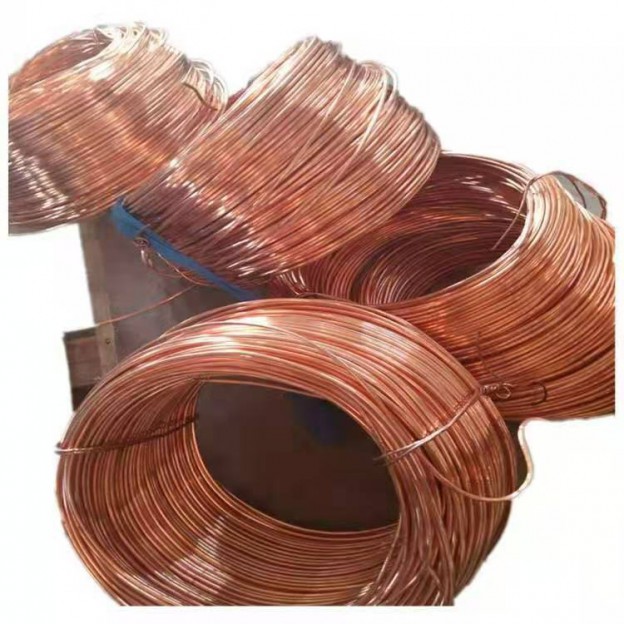
Copper continues to be one of the most widely used materials in electrical and industrial applications because of its excellent electrical conductivity, thermal performance, flexibility, and durability. From power transmission and electrical equipment to transformers, switchgear, control panels, and industrial machinery, the right copper conductor can have a direct impact on efficiency, reliability, and service life.
However, not every electrical application requires the same type of copper product. Copper wire, flat copper wire, tinned copper wire, copper strips, and flexible connectors are designed for different operating conditions and installation requirements. Selecting the appropriate product therefore requires an understanding of conductivity, flexibility, dimensions, coating, temperature, mechanical stress, and application.
Rajasthan Electric Industries has been manufacturing and supplying wires, cables, copper products, and connectors since 1959 under the BRITEX brand. Its product range includes copper wires, tinned copper wires, copper strips, braided copper wires, flexible connectors, and related electrical products.
Why Copper Is Widely Used in Electrical Applications
Copper offers a combination of properties that makes it suitable for demanding electrical applications.
Its high electrical conductivity allows current to flow efficiently while helping reduce electrical losses. Copper is also ductile, which means it can be drawn into wires of different diameters and formed into strips, braids, and flexible connections.
Another important advantage is flexibility. Stranded and braided copper products can accommodate movement, vibration, thermal expansion, and repeated mechanical stress better than rigid conductors in applications where flexibility is required.
Copper also offers good thermal conductivity and can be manufactured in different grades, sizes, shapes, and surface finishes to meet specific electrical and industrial requirements.
This versatility is why copper wires are found across electrical equipment, power systems, control panels, transformers, industrial machines, and numerous other applications.
Understanding Different Types of Copper Wires
The term copper wire covers a broad range of products. Choosing the right construction depends on the electrical and mechanical requirements of the application.
1. Electrical Copper Wire
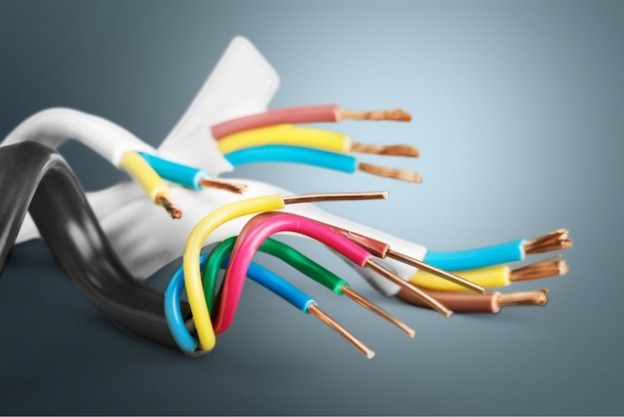
Electrical copper wire is designed to carry electrical current efficiently and is available in different constructions, sizes, and configurations.
Depending on the application, copper wire may be supplied as solid, stranded, flexible, bare, insulated, tinned, or braided wire. Factors such as conductor size, current capacity, operating temperature, flexibility, and installation environment should be considered before selecting a wire.
For industrial applications, using a copper wire with the appropriate conductor construction and dimensions can help achieve consistent electrical performance.
2. Copper Braided Wire
A copper braided wire consists of multiple copper strands braided together to create a flexible electrical conductor.
Unlike rigid conductors, braided copper products can accommodate movement and mechanical vibration. They are therefore commonly used where electrical continuity needs to be maintained while allowing flexibility.
Rajasthan Electric Industries manufactures braided copper wires using electrolytic-grade copper and offers different constructions and dimensions for applications including control panels, transformers, switchgear, relay switches, power meter connections, turbine connectors, and earthing applications.
Braided copper products can also be produced using bare or tinned copper, depending on the requirements of the application.
What Are Braided Connectors?
Braided connectors are flexible electrical connections manufactured using braided copper conductors. They are particularly useful for connecting components that experience vibration, movement, thermal expansion, or contraction.
For example, a rigid connection between two electrical components may experience mechanical stress when the connected components move or heat up. A flexible braided connector can accommodate this movement while maintaining electrical continuity.
Braided connectors are commonly considered for:
- Switchgear connections
- Transformers
- Circuit breakers
- Busbar connections
- Control panels
- Industrial machinery
- Earthing systems
- Power equipment
- Electrical distribution equipment
The construction, width, thickness, strand configuration, and copper grade can be selected according to the electrical and mechanical requirements of the application.
Tin Coated Copper Wire: Why Is Copper Tinned?
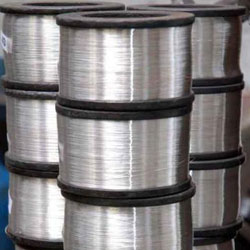
A tin coated copper wire is a copper conductor covered with a layer of tin. The coating can provide additional protection to the copper surface and is particularly useful in applications where environmental exposure, solderability, or surface protection is important.
Tinned copper wire is available in different conductor sizes and constructions. Rajasthan Electric Industries offers tin-coated copper wires produced through processes including electrolytic and hot-dip tin coating, depending on the product specification.
Common applications can include:
- Cable manufacturing
- Electrical equipment
- Industrial machines
- Heating equipment
- High-temperature instruments
- Electronic equipment
When selecting tinned copper wire, buyers should consider conductor diameter, strand construction, coating thickness, operating environment, and the applicable technical standard.
Flat Copper Wire for Specialized Applications
Unlike conventional round wire, flat copper wire has a flat or rectangular cross-section. This configuration can be useful where available space, surface contact, dimensional control, or specific winding and connection requirements make a flat conductor preferable.
Flat copper products can be manufactured in different widths and thicknesses to suit application requirements. They may be used in electrical equipment, transformers, switchgear, power connections, and other industrial applications.
Flat copper conductors can also offer useful dimensional control where a specific conductor profile is required.
Copper Strip vs. Copper Wire
Copper strips and copper wires both provide electrical conductivity, but their physical configurations serve different purposes.
| Feature | Copper Wire | Copper Strip |
| Shape | Generally round or stranded | Flat/strip form |
| Flexibility | Depends on construction | Depends on thickness and design |
| Typical use | Wiring and flexible connections | Busbars, connections, electrical components |
| Size options | Diameter and strand configuration | Width and thickness |
| Applications | Electrical equipment, cables, connectors | Power equipment, electrical assemblies, industrial applications |
A Copper Strip Manufacturer can supply strips in different grades, dimensions, and finishes according to the application. Rajasthan Electric Industries offers EC grade, ETP grade, ASTM B152 copper strips, braided copper strips, and tinned braided copper strip products.
How to Choose the Right Copper Product
Choosing between copper wire, braided wire, copper strip, or a flexible connector should not be based only on conductor size. Several technical factors need to be evaluated.
Electrical Conductivity
The conductor must be capable of carrying the required current while maintaining acceptable electrical losses.
Cross-Sectional Area
The required conductor size depends on current capacity, installation conditions, operating temperature, and application requirements.
Flexibility
For applications involving vibration, movement, or repeated thermal expansion and contraction, stranded or braided copper products may be more appropriate than rigid conductors.
Surface Protection
In certain applications, tinned copper may be preferred over bare copper because the coating provides additional surface protection and can support specific connection or environmental requirements.
Temperature
Operating temperature should be considered when selecting the conductor material, insulation, coating, and construction.
Mechanical Requirements
Electrical connections in transformers, switchgear, generators, and industrial machinery can experience vibration and movement. Flexible copper braids and connectors can help accommodate these mechanical conditions.
Dimensional Requirements
For applications with limited space or specific connection geometries, flat copper wire or copper strips may provide a better fit than conventional round conductors.
Applications of Copper Wires and Copper Components
Copper conductors are used across a wide range of industries because they can be manufactured in many configurations.
Typical applications include:
- Transformers
- Switchgear
- Control panels
- Electrical panels
- Circuit breakers
- Generators
- Motors
- Power distribution equipment
- Industrial machinery
- Earthing systems
- Electrical connectors
- Cable manufacturing
- Electronic equipment
- Railway and locomotive equipment
Rajasthan Electric Industries lists braided copper wire applications across areas such as railways and locomotives, control panels, transformers, switchgear, relay switches, electronics, power meter connectors, and turbine connectors.
Why Work With an Experienced Copper Wire Manufacturer?
The quality of a copper conductor depends on more than the raw material. Manufacturing controls, dimensional accuracy, surface finish, conductor construction, and quality testing can all affect the final product.
An experienced manufacturer should be able to provide suitable copper grades, sizes, configurations, and finishes while maintaining consistency between production batches.
Rajasthan Electric Industries states that its raw materials undergo testing and that products are subjected to quality checks during manufacturing and distribution. The company also manufactures wires, cables, copper products, and connectors for customers in India and international markets.
Rajasthan Electric Industries: Copper Wire and Copper Product Solutions
Rajasthan Electric Industries is a Jaipur-based manufacturer, supplier, and exporter of wires, cables, copper products, and connectors. Established in 1959, the company markets its product range under the BRITEX brand. Its portfolio includes copper wires, tinned copper wires, copper strips, braided copper wires, flexible connectors, PVC wires and cables, and other electrical products.
Whether the requirement is for electrical copper wire, tin coated copper wire, flat copper wire, copper braided wire, or braided connectors, the right product should be selected according to the application’s electrical, mechanical, dimensional, and environmental requirements.
Frequently Asked Questions
What is copper braided wire used for?
Copper braided wire is used where a flexible electrical connection is required. Common applications include transformers, switchgear, control panels, circuit breakers, earthing systems, and industrial equipment.
What is the difference between copper wire and tin coated copper wire?
Tin coated copper wire has a layer of tin over the copper conductor. The coating can provide additional surface protection and may be beneficial for particular electrical, environmental, and connection requirements.
What is flat copper wire?
Flat copper wire is a copper conductor manufactured with a flat or rectangular cross-section rather than a conventional round profile. It can be useful where space, dimensional control, or a specific conductor shape is required.
What are braided connectors used for?
Braided connectors provide flexible electrical connections between components. They can accommodate vibration, movement, and thermal expansion while maintaining electrical continuity.
How do I choose a copper wire manufacturer?
Consider the manufacturer’s experience, copper grades offered, product range, dimensional capabilities, quality control processes, customization options, applicable standards, and ability to meet your required specifications consistently.
Conclusion
Copper remains an important material for electrical and industrial systems because of its conductivity, ductility, flexibility, and versatility. However, choosing the correct copper product is essential for achieving dependable performance.
From conventional copper wires and electrical copper wire to copper braided wire, tin coated copper wire, flat copper wire, copper strips, and braided connectors, each construction serves a different purpose.
By understanding the electrical and mechanical requirements of the application and working with an experienced Copper Strip Manufacturer and copper wire manufacturer, businesses can select products that provide the required combination of conductivity, flexibility, durability, and dimensional accuracy.
For copper wires, strips, braided products, and flexible electrical connectors, Rajasthan Electric Industries provides a broad range of copper-based electrical solutions manufactured for industrial and electrical applications.